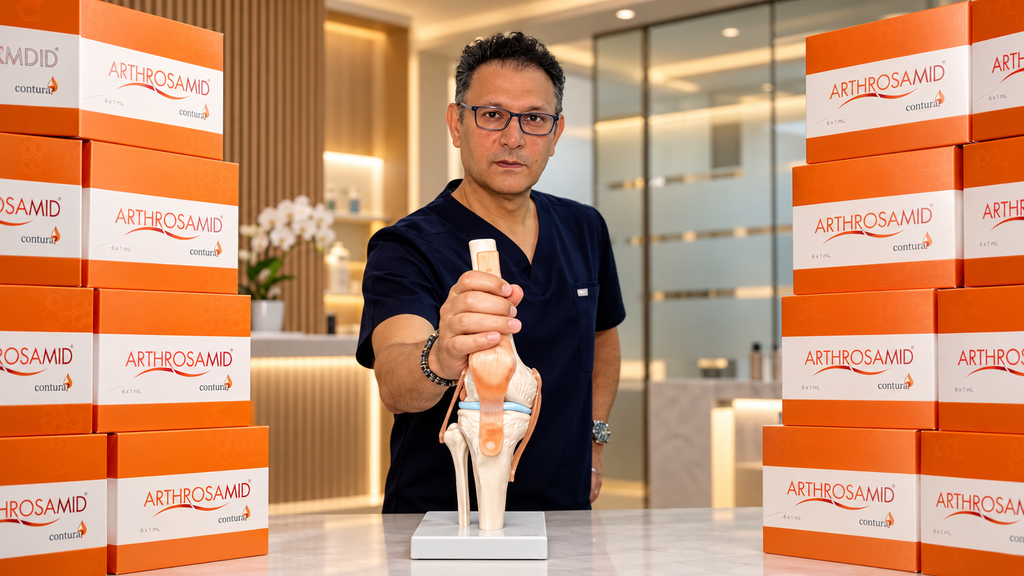
Knee pain can slowly change the way you live. At first, it may only feel like a small inconvenience — a little discomfort when walking, a slight struggle when climbing stairs, or stiffness after sitting for a long time. Many people adapt by avoiding certain activities and reducing their movement without realising how much their lifestyle has changed.
Over time, simple things such as going for a walk, playing with children, exercising, or enjoying social activities can become more difficult. This is often when people start looking for treatments that can provide longer-lasting support rather than temporary relief.
For people experiencing ongoing knee pain, especially due to conditions such as osteoarthritis, different treatment options may be considered. While traditional approaches such as exercise programmes, lifestyle changes, and medication can help many patients, some people explore injection treatments as part of their care plan.
One option that has gained attention is Arthrosamid injection. It is designed to support people experiencing persistent knee discomfort by improving the environment inside the joint.
This guide explains what Arthrosamid injection is, how it works, who may benefit, what to expect from treatment, and important factors to consider before making a decision.
What Is Arthrosamid Injection?
Arthrosamid injection is a non-surgical treatment option used for managing knee pain associated with osteoarthritis.
It contains a material called polyacrylamide hydrogel, which is designed to remain within the knee joint after injection. The purpose of the treatment is to improve the joint environment and help reduce discomfort caused by movement.
Unlike some injections that provide only temporary lubrication or short-term symptom control, Arthrosamid is designed to remain within the joint for a longer period.
The treatment is administered through an injection into the knee joint by a trained healthcare professional. Before considering the procedure, patients usually require an assessment to understand their symptoms, medical history, and whether this option is suitable for their condition.
How Does Arthrosamid Injection Work?
To understand how Arthrosamid injection may help, it is useful to understand what happens inside a painful knee.
In a healthy knee, cartilage and joint fluid allow smooth movement between the bones. However, with osteoarthritis, cartilage can gradually become damaged. This may increase friction and irritation inside the joint.
Arthrosamid works by introducing a hydrogel material into the knee joint. The material integrates with the surrounding tissues and aims to create a more supportive environment within the joint.
The treatment may help by:
- Improving comfort during movement
- Reducing knee discomfort
- Supporting smoother joint movement
- Helping some patients maintain daily activities
The results can vary from person to person. Some patients may notice improvement gradually rather than immediately after treatment.
Who May Consider Arthrosamid Injection?
Arthrosamid injection may be considered for people who experience ongoing knee pain, particularly those with osteoarthritis-related symptoms.
Patients who may discuss this option include those who:
- Have persistent knee discomfort
- Experience pain during walking or daily activities
- Have tried other non-surgical approaches
- Want to explore alternatives before considering surgery
However, every knee condition is different. A treatment that may be suitable for one person may not be suitable for another.
A thorough assessment is important before deciding whether Arthrosamid injection is an appropriate option.
Symptoms That May Lead People to Explore Arthrosamid
Many people begin researching treatments after noticing changes in their everyday life.
Common symptoms include:
Pain During Movement
Pain when walking, standing, or climbing stairs is one of the most common reasons people seek advice.
Knee Stiffness
A stiff knee can make it harder to start moving after rest or sitting for extended periods.
Reduced Activity Levels
Some people gradually stop doing activities they enjoy because they expect pain afterwards.
Ongoing Discomfort Despite Lifestyle Changes
Exercise, weight management, and other adjustments can help many people. However, some patients continue experiencing discomfort despite these efforts.
This is when discussions about additional treatment options may begin.
Arthrosamid Injection Compared With Other Knee Treatments
Knee pain treatment usually involves several approaches rather than one single solution.
Exercise and Physiotherapy
Exercise remains an important part of managing many knee conditions. Strengthening the muscles around the knee can improve support and movement.
Pain Relief Medication
Medication may help reduce discomfort, but it does not always address the underlying joint changes.
Other Injection Options
Different injections work in different ways. The choice depends on the patient’s symptoms, goals, and medical situation.
Surgery
Some patients with advanced joint damage may eventually consider surgical options. However, many people explore non-surgical treatments first.
Arthrosamid injection is one option that sits within the wider range of available knee pain treatments.
Understanding the Arthrosamid Injection Procedure
Many patients feel nervous before any injection treatment. Understanding the process can make the experience easier.
Before treatment, a consultation usually takes place. During this appointment, the healthcare professional will discuss:
- Your knee symptoms
- Previous treatments
- Your medical history
- Your expectations from treatment
During the procedure:
- The knee area is prepared.
- The injection is administered into the joint.
- The patient receives aftercare advice.
The procedure itself is usually completed within a short appointment, although the exact process can vary.
Following the injection, patients may receive guidance about returning to normal activities.
Recovery After Arthrosamid Injection
Recovery experiences can differ between individuals.
Some people return to normal activities quickly, while others may need a short period of adjustment.
Following aftercare advice is important. This may include:
- Avoiding excessive strain immediately after treatment
- Gradually returning to activities
- Continuing recommended exercises
A successful outcome often involves combining treatment with healthy movement habits.
An injection can support knee health, but maintaining strength and mobility remains important.
How Much Does Arthrosamid Injection Cost?
Cost is one of the most common questions patients ask before considering treatment.
The price of Arthrosamid injection can depend on several factors, including:
- The clinic providing treatment
- Consultation requirements
- Assessment fees
- Individual treatment plans
- Additional services included
Patients researching Arthrosamid Injection Cost should consider not only the price of the injection itself but also the overall quality of care, assessment process, and follow-up support.
Understanding the full treatment journey can help patients make informed choices.
Is Arthrosamid Injection Available in the UK?
Interest in non-surgical knee pain treatments has increased across the UK as more people look for options that may help them stay active.
People searching for arthrosamid injection London or arthrosamid injection near me are often looking for convenient access to clinics that provide assessment and treatment options.
Availability can vary depending on location and clinic services. A consultation is usually the best way to understand whether this treatment is appropriate.
Questions Patients Commonly Ask About Arthrosamid Injection
How long does Arthrosamid injection last?
The duration of benefits can vary between individuals. Factors such as joint condition, activity levels, and overall health can influence results.
Is Arthrosamid injection painful?
Patients may experience some discomfort during or shortly after the injection. Healthcare professionals use techniques designed to make the procedure as comfortable as possible.
Can I walk after Arthrosamid injection?
Many patients can walk after treatment, but specific advice depends on individual circumstances.
Does Arthrosamid replace knee surgery?
Arthrosamid injection is not designed to replace every surgical option. It is one possible treatment approach for suitable patients.
Why Assessment Matters Before Treatment
Choosing a knee treatment without understanding the cause of pain can lead to disappointment.
A proper assessment helps identify:
- The source of discomfort
- The condition affecting the knee
- Suitable treatment choices
- Realistic expectations
Knee pain can come from different causes, and treatment should match the individual rather than only the symptom.
Finding Knee Pain Support in London
For people looking for professional advice and treatment options, choosing an experienced clinic can make the process clearer.
A dedicated London Knee Clinic can provide consultations focused on understanding knee problems and discussing available treatments.
The aim of any knee pain treatment should be to improve comfort, support movement, and help patients return to activities that matter to them.
Final Thoughts
Living with ongoing knee pain can affect more than just your physical movement. It can influence your confidence, independence, and quality of life.
Arthrosamid injection is one of the newer options available for people exploring non-surgical approaches to knee pain management. However, the right treatment depends on your individual condition, symptoms, and goals.
Understanding your options is the first step. With proper assessment and the right care plan, many people can take positive steps towards better knee comfort and improved daily movement.
About the Author