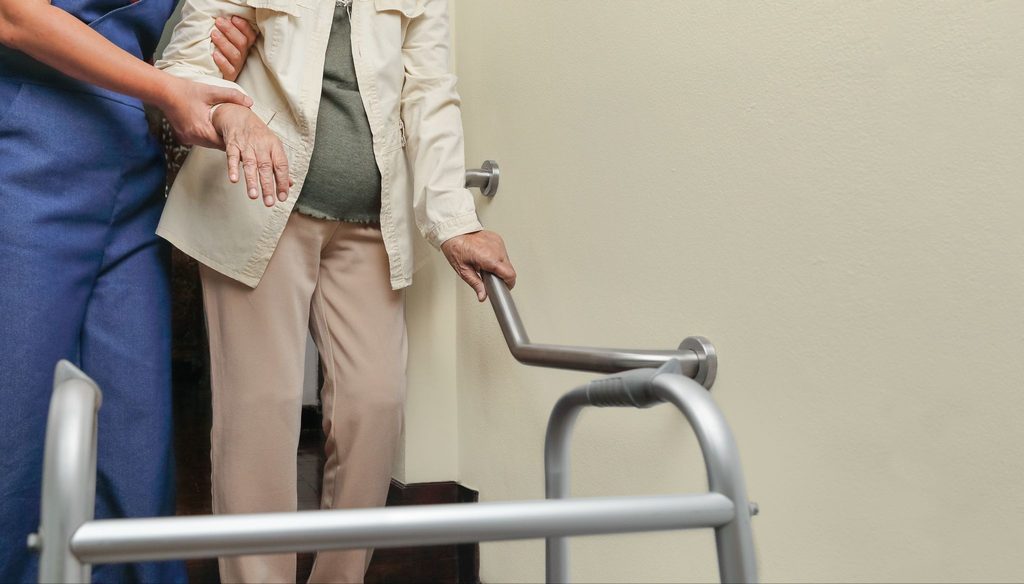
Between January and October 2023, the Building and Construction Authority received reports of 632 escalator incidents in Singapore. Fewer than 3% were caused by mechanical faults. The other 97% came down to how people used the escalator: carrying bulky items, not holding the handrail, not paying attention, or physical conditions that made the ride harder to manage. For older adults who pass through MRT stations, malls and hawker centres every day, that’s a reminder that escalator safety depends a lot on the body riding it, and it’s a strong case for regular balance training for seniors.
What the BCA Figures Show
BCA broke down the most common causes of incidents over that ten-month period:
| Cause | Share of incidents |
| Carrying bulky items | 17% |
| Moving on the escalator or not holding the handrail | 16% |
| Physical conditions | 12% |
| Lack of attention | 11% |
| Shoes or body parts trapped | 9% |
One detail stands out. Of the incidents involving bulky items, more than half involved users aged 55 and above. Shopping trolleys, heavy marketing bags and suitcases all shift your centre of gravity and take away a free hand for the rail. For an older adult whose balance is already a little less reliable, that combination is a lot to manage on a moving staircase.
Why Escalators Test Your Balance So Much
Stepping onto an escalator asks your body to do several things at once. You need to time your step to a moving surface, shift your weight smoothly onto it, and stay steady as the step lifts or drops. At the top or bottom, you have to step off at the right moment while the ground under you suddenly stops moving. Add a crowd behind you, a bag on one arm and the urge to look at your phone, and it becomes a genuine balance challenge.
This is exactly the kind of situation a well-rounded exercise program for seniors prepares the body for. Rather than practising balance only while standing still, good balance training for seniors includes stepping, weight shifts and reactions, so the body learns to stay steady while things around it are moving. It also builds confidence, which matters more than people expect: hesitating at the top of an escalator is often what throws the timing off in the first place.
Training for the Moving Step
A trainer can build escalator-relevant skills into almost any session. Useful drills include:
- Timed stepping: stepping onto and off a low platform in time with a trainer’s cue, to sharpen reaction and timing.
- Single-leg control: short holds on one leg near a rail, building the stability needed as weight transfers.
- Head turns while standing: gently turning the head side to side while staying balanced, mimicking checking signs and people around you.
- Carrying practice: walking and stepping while holding a light bag in one hand, so the body learns to adjust to an uneven load.
Built into a regular exercise program for seniors, these drills sit alongside leg strengthening, which helps you push up from the step and catch yourself if you wobble. Two or three sessions a week of balance training for seniors, progressed gradually, is a realistic target for most older adults.
Progress is gradual and should always feel controlled. A trainer will usually start with both hands on a rail, then one hand, then fingertip support, before adding movement or a light bag. If you have a condition that affects balance, such as Parkinson’s disease, a past stroke or inner ear problems, the drills can be adapted further so they stay safe while still being challenging enough to help.
Small Habits on the Way to the Platform
Training builds the foundation, and a few everyday habits, many of which BCA itself encourages, take care of the rest:
- Always hold the handrail, and stand still once you’re on the step.
- Use the lift when you’re carrying heavy bags, pushing a trolley or travelling with a wheelchair or walking aid.
- Put your phone away and watch your step as you get on and off.
- Wear well-fitting shoes, and keep loose clothing and shoelaces away from the step edges.
None of these takes extra time, and together with a sensible exercise program for seniors, they make daily journeys through Singapore’s stations and malls much less daunting. Many MRT stations and malls also have lifts close to the escalators, and choosing them on busier days or when you feel tired is a sensible call, not a sign of weakness. If you’ve had a recent fall or feel dizzy on escalators, it’s worth mentioning to your doctor, since medication and inner ear issues can both play a part. Your trainer can then shape your exercise program for seniors around whatever your doctor finds, rather than guessing.
Vigeo’s trainers at YWCA Fort Canning build balance work around the real situations older adults face every day, from escalators and bus steps to crowded interchanges. Contact Vigeo Health & Fitness to book an assessment and travel through the city with more confidence.
About the Author